
Bringing houseplants into your home is a wonderful way to add life, color, and freshness to your space. However, keeping those plants healthy can sometimes be a challenge, especially if you’re new to indoor gardening. With the right care routine and a few important tips, you can help your houseplants thrive for years to come.
Understanding Your Houseplant’s Needs
Each plant species has its own unique requirements, but some basic principles apply to most indoor plants. Before you bring a plant home, try to learn about its specific light, water, and soil preferences.
Light Requirements
Most houseplants fall into three categories related to light needs:
– Bright, indirect light: Ideal for plants like pothos, peace lilies, and spider plants. Place them near a window but shielded from harsh direct sunlight.
– Low light: Plants such as snake plants or ZZ plants can tolerate lower light conditions and are great for less sunny rooms.
– Direct sunlight: Succulents and cacti prefer several hours of direct sunlight each day. Position them on sunny windowsills.
Assess the lighting in each room, and choose plants that suit the available natural light. Remember, the amount and quality of light will directly affect your plant’s health and growth.
Watering Wisely
Overwatering is one of the most common reasons houseplants fail. Most plants prefer soil that dries out slightly between waterings.
– Check the soil: Use your finger or a moisture meter to check if the top inch of soil feels dry before watering.
– Drainage: Make sure pots have drainage holes to prevent waterlogging. Excess water should easily escape to avoid root rot.
– Adjust with seasons: Plants usually need less water in winter when growth slows down.
If you notice yellowing leaves or mushy stems, you might be watering too much. Conversely, brown leaf tips can mean under-watering.
Choosing the Right Soil and Fertilizer
Healthy soil provides the nutrients and structure plants need to develop strong roots.
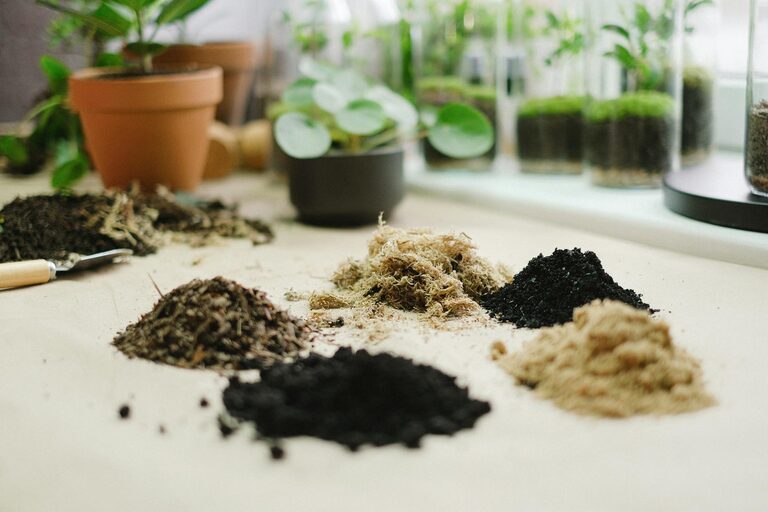
– Use appropriate potting mix: Different plants prefer different soils. Cacti and succulents require sandy, well-draining soil, while ferns thrive in rich, moisture-retentive mixes.
– Repot when necessary: Over time, roots can outgrow their pots, and soil loses nutrients. Repot your plants every 1-2 years to refresh soil and allow room for growth.
– Fertilize smartly: During the growing season (spring and summer), feed your plants every 4-6 weeks with a balanced fertilizer. Reduce or stop fertilizing in fall and winter.
Using the right soil and fertilizer boosts plant health and encourages lush foliage and flowers.
Maintaining Proper Humidity and Temperature
Indoor climate plays an important role in plant wellness.
– Humidity: Many tropical houseplants enjoy higher humidity levels. Increase humidity by misting leaves, grouping plants together, or using a humidifier.
– Temperature: Most houseplants prefer temperatures between 65-75°F (18-24°C). Avoid placing plants near cold drafts, heating vents, or appliances that generate heat.
Monitoring and adjusting humidity and temperature conditions can help prevent pest problems and leaf stress.
Regular Cleaning and Pest Control
Dust and pests can harm your plants if neglected.
– Clean leaves: Gently wipe dusty leaves with a damp cloth to keep pores open for photosynthesis.
– Inspect regularly: Look for pests like spider mites, aphids, or scale insects. Early detection makes control easier.
– Pest treatment: Use insecticidal soap or neem oil for a natural approach, and isolate infected plants to prevent spread.
A clean and pest-free environment translates to happier, healthier plants.
Tips for Specific Care and Growth
Here are additional suggestions to keep houseplants flourishing:
– Rotate plants: Turning plants occasionally ensures even light exposure and balanced growth.
– Prune regularly: Remove dead or yellowing leaves to encourage new growth and maintain shape.
– Support tall plants: Use stakes or trellises to help climbing plants grow upright.
– Be patient: Plants may take time to adjust to new environments or recover from stress.
Final Thoughts
Caring for houseplants is a rewarding hobby that connects us with nature. By understanding their basic needs and providing consistent care, you can enjoy the beauty and benefits of healthy, thriving indoor plants. Start with a few easy-to-care-for varieties and watch your confidence and green thumb grow over time!
Happy planting!