
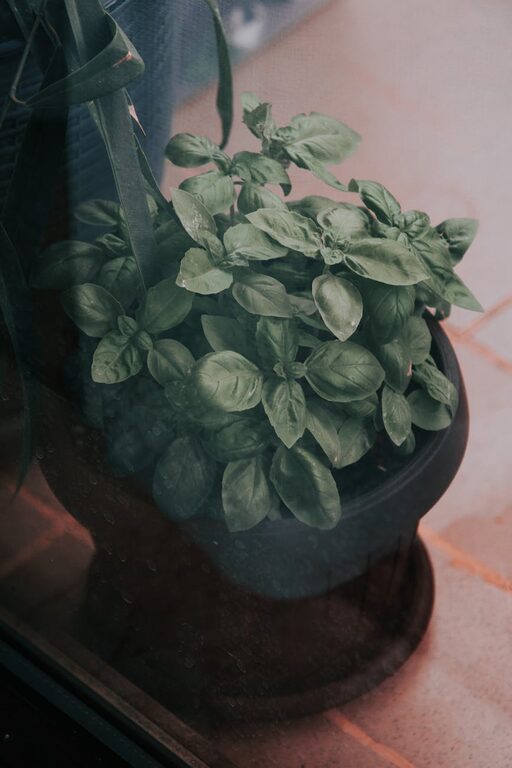
Starting an indoor herb garden is a delightful and rewarding way to bring fresh flavors into your kitchen while adding a touch of green to your living space. Whether you have a spacious home or just a small apartment, growing herbs indoors can brighten your environment and your cooking. This guide will walk you through the essentials of creating your own small herb garden inside, covering everything from choosing herbs to caring for your plants.
Why Grow Herbs Indoors?
Indoor herb gardening offers several benefits:
– Convenience: Fresh herbs are always within reach when cooking.
– Space-saving: Ideal for those without outdoor space.
– Air quality: Plants help purify indoor air.
– Cost-effective: Saves money compared to buying herbs regularly.
– Enjoyment: Gardening can be a relaxing, rewarding hobby.
Choosing the Right Herbs for Indoor Growth
Not all herbs thrive indoors equally. Here are some popular herbs that are well-suited for indoor growing:
– Basil: Needs plenty of light and warmth.
– Mint: Hardy and fast-growing; be careful as it can spread quickly.
– Thyme: Prefers bright light and well-draining soil.
– Parsley: Does well in indirect sunlight.
– Chives: Easy to maintain and grows well in pots.
– Cilantro: Likes cooler temperatures and partial sun.
Start with two or three varieties to keep your garden manageable.
Selecting Containers and Soil
Containers
Choose containers with drainage holes to prevent waterlogging. Popular options include:
– Small pots (ceramic, plastic, or terracotta)
– Recycled containers like jars or tin cans (ensure drainage)
– Window boxes or small planters
Make sure the pots are the right size—usually 4 to 6 inches deep is fine for most herbs.
Soil
Use well-draining potting mix designed for indoor plants. Avoid garden soil as it can be too heavy and contain pests. You can also find special herb-friendly soils at garden centers.
Setting Up Your Indoor Herb Garden
Location and Light
Herbs need plenty of light to thrive—usually about 6 hours of sunlight a day.
– Choose a sunny windowsill: A south-facing window is ideal.
– Supplement with grow lights: If natural light is limited, LED grow lights can provide the necessary spectrum without using much energy.
Temperature and Humidity
Most herbs grow best at temperatures between 65°F and 75°F. Avoid placing your garden near cold drafts or heating vents. Herbs usually prefer moderate humidity; occasional misting can help in dry environments.
Planting Your Herbs
You can start herbs from seeds or buy young plants from nurseries.
Starting from Seeds
- Fill containers with potting mix.
- Moisten the soil lightly.
- Sow seeds according to packet instructions—usually ¼ inch deep.
- Cover the seeds with a thin layer of soil.
- Keep the soil moist but not wet.
- Place containers in a warm, bright spot until seedlings appear.
- Gently remove plants from nursery pots.
- Loosen the roots slightly.
- Plant in your chosen containers filled with potting mix.
- Water thoroughly.
Using Starter Plants
Watering and Feeding Your Herbs
– Watering: Herbs generally like the soil to dry out a bit between watering. Stick your finger an inch into the soil—if dry, it’s time to water. Overwatering can cause root rot.
– Feeding: Use a balanced, water-soluble fertilizer once a month during the growing season. Avoid overfertilizing, as it can affect taste.
Maintenance Tips for a Thriving Herb Garden
– Pruning: Regularly pinch off the tops to encourage bushier growth and prevent flowering, which can make leaves bitter.
– Pest management: Keep an eye out for common pests like aphids or spider mites. Wipe leaves with a damp cloth or use natural remedies like neem oil if needed.
– Rotate plants: Turn pots weekly to ensure all sides get light.
Harvesting and Using Your Herbs
Harvest herbs by snipping leaves or stems with scissors. When picking:
– Avoid removing more than one-third of the plant at once.
– Pick in the morning when flavors are strongest.
– Use freshly cut herbs immediately or dry them for later use.
Some great ways to use fresh herbs include:
– Adding basil to pasta dishes or salads.
– Using mint in drinks or desserts.
– Sprinkling chives on soups or eggs.
– Mixing parsley into sauces or garnishes.
Troubleshooting Common Indoor Herb Issues
– Leggy plants: Usually a sign of insufficient light. Move closer to windows or add grow lights.
– Yellowing leaves: Could be overwatering or poor soil drainage.
– Slow growth: Might need feeding or better light conditions.
– Wilted leaves: Check for underwatering or root problems.
Conclusion
Starting a small herb garden indoors is a manageable and enjoyable project that brings fresh flavors and fresh air into your home. By selecting suitable herbs, providing the right light and care, and following best practices for planting and maintenance, you’ll soon enjoy a personal supply of aromatic herbs year-round. Not only does it enhance your cooking, but it also offers a fulfilling hobby that connects you to nature, even in the smallest spaces. Happy gardening!